


Views: 0 Author: Site Editor Publish Time: 2026-09-11 Origin: Site


Traditional timber fencing and conventional outdoor wall materials demand relentless physical upkeep. Property owners face a continuous, exhausting cycle of scraping, staining, sealing, and repairing. Harsh outdoor environments accelerate rot, warping, and splintering in natural wood. Chemical treatments applied to timber often leach into the surrounding soil, creating environmental hazards. Architects and contractors constantly struggle to find better perimeter solutions that do not require endless maintenance. They need materials that balance authentic architectural aesthetics with engineered longevity. Zero-maintenance requirements and human health safety remain top priorities for any modern exterior project.
Wood-Plastic Composite materials bridge this exact gap. WPC Fence Panels and outdoor wall cladding offer a scientifically engineered alternative. They combine environmental sustainability with heavy-duty structural durability. These modern panels deliver cohesive design without the chronic failures of natural wood. You will learn how composite engineering solves traditional fencing flaws, the strict structural implementation rules required for success, and the core material performance metrics you must evaluate.
WPC fence panels utilize a precise blend of recycled wood fibers and high-density thermoplastics to eliminate vulnerabilities to moisture, rot, and insect damage.
Beyond environmental benefits, WPC materials protect human health by eliminating toxic chemical treatments, off-gassing, and dangerous splintering common in aging wood.
While the initial procurement cost of WPC is higher than pressure-treated wood, the 15-to-25-year long-term financial impact is significantly lower due to the elimination of staining, sealing, and replacement cycles.
Successful implementation requires specific structural framing and precise calculations for thermal expansion, meaning WPC cannot be installed using traditional timber methodologies.
High-grade WPC panels offer modular design flexibility, enabling seamless indoor-to-outdoor architectural continuity for both residential gardens and high-traffic commercial applications.
Natural timber possesses inherent, unavoidable flaws in outdoor environments. Wood absorbs moisture rapidly during rainstorms, snowmelts, and periods of high humidity. This moisture ingress leads directly to biological decay and structural rot. When untreated pine or even cedar touches wet soil, it wicks water up through the grain via capillary action. Fungi attack the damp cellulose, causing the fence to rot at the base. Termites, carpenter ants, and other wood-boring insects actively target this softening timber. Furthermore, UV degradation strips away natural colors within months, leaving a faded, weathered gray surface. Maintaining wood requires toxic chemical treatments, oil-based stains, and water sealants that pose health risks to families, pets, and local groundwater.
Pure plastic or vinyl fencing presents entirely different structural shortcomings. PVC becomes highly brittle in sub-zero temperatures. A simple impact from a lawnmower throwing a rock or a heavy branch falling can shatter a frozen vinyl panel. Vinyl also lacks the necessary internal rigidity to withstand heavy, sustained wind loads without bending or snapping. Aesthetically, vinyl carries an artificial, glossy sheen that looks unnatural in organic garden settings. The surface scratches easily and holds dirt in those micro-abrasions, requiring frequent scrubbing and power washing to maintain a clean appearance.
Conventional masonry or stucco walls demand heavy labor and extensive site preparation. Installing brick, block, or poured concrete perimeters requires deep trenching and massive concrete footings poured below the frost line. These rigid materials often suffer from stress fractures over time. Natural ground settling and soil heaving cause deep cracks that require expensive, specialized masonry repairs. The sheer weight and logistical complexity of masonry make it an impractical choice for many standard boundary applications.
Modern perimeter solutions must resist environmental degradation completely. They need to maintain structural integrity and visual appeal year after year without intervention. Human safety and zero-maintenance properties form the baseline requirement for new installations. Property owners refuse to spend their weekends scraping peeling paint and replacing warped fence boards.
Wood-Plastic Composite engineering solves these material failures through precise industrial chemistry. The standard WPC ratio consists of roughly 60% recycled wood fiber. This organic component usually comes from reclaimed sawdust, wood chips, and lumber mill scraps. High-density polyethylene (HDPE) plastic makes up 30% of the blend. This plastic is typically sourced from recycled post-consumer goods like milk jugs and detergent bottles. The remaining 10% includes critical chemical additives, coupling agents, colorants, and UV stabilizers. This specific formula maximizes the natural look and feel of wood while leveraging the waterproof durability of plastic.
Manufacturers utilize a high-temperature extrusion process to create the final product. The raw materials are mixed, heated to over 200 degrees Celsius, and pushed through a heavy steel die shaped like the final fence profile. This method binds the organic wood dust and synthetic plastics together under extreme pressure. The material then passes through a cooling water bath to instantly harden the shape. The result is a unified, high-density core. This dense core completely resists environmental penetration. Water cannot soak into the plastic-encapsulated wood fibers. Insect infiltration becomes impossible because bugs cannot digest the polymer matrix. The extrusion process ensures uniform strength, exact dimensions, and consistent density across every single panel produced.
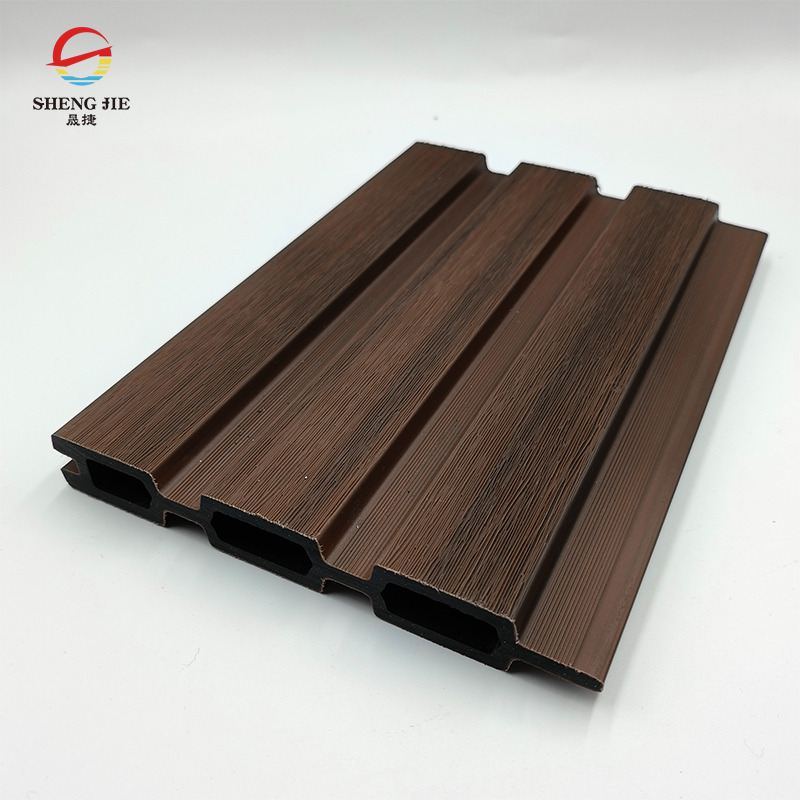
The plastic encapsulation of wood fibers prevents water absorption at a microscopic level. Wood naturally has open cells that draw in water. In a composite blend, the melted HDPE fills and coats these cells. This creates a highly waterproof barrier against rain, snow, and standing water. The material eliminates the risk of mold, mildew, and fungal growth because fungi require moisture and exposed cellulose to survive. Rot simply cannot occur within the synthetic matrix. You never have to worry about boards turning soft, spongy, or structurally compromised near the ground line.
The composite core remains completely impervious to pests. Termites, carpenter ants, and other wood-boring insects cannot penetrate the plastic elements. They will not attempt to nest in or consume composite boards. This biological immunity protects the structural integrity of the fence over decades. You avoid the costly extermination fees and structural replacement costs associated with infested timber fences.
UV inhibitors play a critical role in preventing severe fading. WPC Fence Panels experience a slight, expected initial color shift. This normal weathering happens during the first twelve weeks of direct sun exposure as the surface wood fibers naturally lighten. After this brief period, the UV stabilizers lock the color in place. The color stabilizes for long-term retention. The panels maintain a rich, consistent hue for decades without ever needing a coat of stain, paint, or tinted sealant.
Properly anchored composite panels deliver exceptional structural integrity. They withstand significant physical impacts from landscaping equipment, hail, or heavy debris. Engineered framing allows them to handle sustained wind loads effectively. The dense core prevents the snapping, splitting, and splintering common in older wooden fences. Because the material is extruded as a solid mass, it does not have natural grain lines where splitting typically occurs.
Composite manufacturing champions resource recovery on a massive scale. The production process diverts millions of tons of post-consumer plastics from overflowing landfills every year. It utilizes industrial wood waste that would otherwise burn, releasing carbon, or decay in dumps. This eco-friendly approach reduces the demand for virgin timber harvesting. Choosing composite materials directly protects old-growth forests and reduces global deforestation. It represents a highly efficient use of materials that society has already discarded.
Human safety remains a paramount advantage of composite engineering. Traditional wood treatments often contain heavy metals, copper, or creosote to prevent rot. These chemicals can leach into the soil and harm surrounding plant life. WPC materials remain entirely non-toxic. They produce zero chemical off-gassing in the hot sun. The extruded surface never splinters, meaning you will never pull a sharp shard of wood out of a hand. This makes composite fencing exceptionally safe for residential gardens, children playing near the boundary, and pets running along the perimeter.
Premium composite panels support a circular construction economy. Many panels are fully recyclable at the end of their long lifespan. Specialized facilities can grind down old composite boards, melt the material, and extrude it into brand new products. This closed-loop lifecycle minimizes long-term environmental impact and drastically reduces construction waste.
Advanced manufacturing techniques elevate surface engineering to new heights. Modern panels feature 3D wood-grain embossing that mimics natural timber perfectly. Heavy steel rollers press deep, realistic grain patterns into the hot plastic as it exits the extruder. Co-extruded, or capped, finishes provide an additional protective polymer shield. During manufacturing, a thin layer of pure, high-performance plastic is extruded completely around the core board. These capped textures look vastly superior to flat, early-generation composites. The capped layer adds deep color streaking that rivals premium hardwoods like ipe or teak, while providing unmatched stain and scratch resistance.
Composite materials offer incredible dual-use versatility. You can use wall cladding as fencing to create seamless visual transitions across an entire property. This connects interior spaces, exterior facades, and garden perimeters using the exact same texture and color palette. The architectural continuity enhances the entire property layout. Matching your boundary fence to your home's exterior cladding creates a highly customized, high-end appearance that traditional materials cannot easily replicate.
Modular design capabilities ensure scalability for any project size. Installers can orient panels horizontally for a sleek, modern look or vertically for traditional styling. Louvered designs offer partial airflow and shadow play, perfect for screening HVAC units or creating semi-private patio enclosures. Interlocking tongue-and-groove boards provide absolute full privacy with zero gap visibility. These setups work perfectly for intimate residential backyards. They scale easily for expansive commercial properties requiring miles of durable perimeter fencing.
Comparing initial procurement reveals distinct differences among fencing materials. Composite materials require a higher upfront material investment than basic untreated pine. They often align closely with the initial costs of premium cedar or high-end vinyl options. Traditional masonry remains the most labor-intensive and costly initial option due to concrete footings, rebar reinforcement, and specialized masonry labor.
The true value emerges over a 15-to-20-year horizon. Composite fencing eliminates cumulative maintenance demands entirely. You never need to purchase replacement boards due to rot, warping, or insect damage. Stains, sealants, and waterproofing chemicals become obsolete. Pest control treatments are unnecessary. Power washing requirements drop to basic seasonal rinsing with a standard garden hose to remove surface dust. This massive reduction in ongoing labor and upkeep demonstrates a rapid return on investment. Property owners reclaim countless hours of weekend labor.
Material Type | Rot & Insect Resistance | Annual Maintenance Level | Expected Lifespan |
|---|---|---|---|
Treated Pine Wood | Low to Medium | High (Staining, Sealing, Repairs) | 10 - 15 Years |
Premium Cedar | Medium | Medium (Staining, Cleaning) | 15 - 20 Years |
Vinyl / PVC | High | Low (Cleaning only) | 20+ Years (Prone to cracking) |
WPC Fence Panels | Maximum | Zero to Minimal (Rinsing only) | 25+ Years |
Wood-plastic composites possess unique physical properties that require careful consideration during the planning phase. The material is significantly denser and heavier than natural wood. A standard composite privacy panel weighs considerably more than a comparable cedar picket panel. This density requires robust handling during site delivery. Installers must plan for reinforced logistics, proper lifting techniques, and adequate manpower. You cannot easily maneuver large composite sections alone.
Heat retention presents another practical consideration for outdoor design. Darker composite panels, such as espresso or charcoal gray, absorb more solar heat than light-colored wood. They retain this thermal energy longer into the evening. This characteristic may impact the micro-climate in tightly enclosed outdoor spaces. If you plant delicate vines or shrubs directly against a dark, south-facing composite wall, the radiant heat might scorch the leaves. Proper airflow design and strategic shading mitigate excessive heat buildup in small courtyards.
Composite panels carry specific load-bearing constraints. They cannot serve as structural, load-bearing elements. The material lacks the rigid tensile strength of solid timber beams. You must support all panels with appropriate independent framing. Attempting to use composite boards to hold structural weight, such as supporting a heavy gate or a roof structure, will result in sagging and eventual failure.
Reliable post and rail systems prevent structural failure. Standard wooden posts rot in the ground and warp over time. As the wood warps, it twists and damages the attached rigid composite boards. You must use aluminum, galvanized steel, or reinforced composite posts. Metal frameworks ensure the fence line remains perfectly straight and secure against high winds. Installers typically set these metal posts deep into concrete footings poured below the local frost line to prevent winter heaving.
Dig post holes below the local frost line to ensure ground stability.
Set galvanized steel or heavy-wall aluminum posts in high-strength concrete.
Install the bottom aluminum rail, ensuring it is perfectly level across the span.
Slide the interlocking WPC boards down the post channels one by one.
Secure the top rail, leaving adequate expansion gaps inside the channels.
Composite materials respond dynamically to temperature fluctuations. The plastic content expands in extreme heat. It contracts during freezing temperatures. Understanding this physics is crucial for successful installation. Ignoring thermal movement guarantees a failed fencing project. If you hard-screw a composite board at both ends on a cold morning, it will buckle and warp when the afternoon sun heats it up.
Installers must calculate expansion gaps based on local climate extremes. A standard rule involves leaving several millimeters of gap for every meter of board length. Failing to leave adequate spacing causes boards to buckle, warp, or snap against the rigid posts. Always use manufacturer-approved concealed fastening systems or U-channel tracks. These specialized systems allow for natural material movement. They hold the boards securely in place while permitting slight lateral shifts as temperatures change throughout the day.
Navigating local regulations requires upfront diligence before ordering materials. Check Homeowner Association guidelines regarding non-traditional composite materials. Some strict HOAs still mandate natural wood. Verify local zoning laws concerning maximum fence heights, boundary setbacks, and line-of-sight rules near intersections. Some municipalities have specific restrictions for exterior wall cladding and perimeter fencing materials regarding wind load ratings.
Evaluate the manufacturer's warranty carefully before finalizing your choice. Look for comprehensive coverage protecting against structural integrity loss, severe fading, and unnatural staining. Understand the specific installation errors that commonly void these warranties. Improper joist spacing, failing to use metal posts, hard-fastening boards without expansion gaps, or burying the bottom panel directly in the dirt will instantly nullify your coverage.
Order physical material samples to verify the exact texture, color, and density in your property's specific lighting conditions.
Confirm local wind-load ratings, frost line depths, and structural framing requirements with your municipal building department before digging.
Consult with a certified composite installer who understands thermal expansion gaps for an accurate site assessment and precise material calculations.
Review the manufacturer's warranty documentation to ensure it covers structural integrity and fade resistance without prorated penalties.
A: WPC fence panels boast a realistic lifespan of 15 to 25 years. Unlike traditional wood, they do not suffer from rot, termite damage, or moisture decay. Their dense composite core maintains structural integrity for decades with minimal physical degradation.
A: WPC fences are highly water-resistant but not completely impermeable. The plastic matrix encapsulates the wood fibers, preventing moisture absorption that causes rot. Co-extruded capped panels feature an advanced polymer shell that provides superior waterproofing and protects the core from water damage.
A: Yes, WPC wall panels offer excellent dual-use versatility. Using matching wall cladding and fence panels creates a cohesive, high-end architectural design. They seamlessly connect interior spaces, exterior facades, and garden perimeters while providing the same weather resistance.
A: WPC panels experience a slight, normal color lightening during the first 12 weeks of sun exposure. After this initial weathering period, built-in UV stabilizers lock the color in place. The panels will not suffer the severe, continuous fading seen in natural timber.
A: Installing WPC on existing wooden posts is highly discouraged. Wooden posts rot and warp over time, which will twist and damage the rigid composite boards. Manufacturers strongly recommend using aluminum, galvanized steel, or reinforced composite posts for structural stability.


