


Views: 0 Author: Site Editor Publish Time: 2026-09-11 Origin: Site


Commercial property managers and facility directors face a persistent perimeter challenge. You must secure a site effectively without degrading its visual appeal. Creating an intimidating, fortress-like environment drives away customers and frustrates corporate tenants. Traditional commercial fencing materials force a difficult compromise. Chain-link and expanded metal offer physical security but harm brand perception and curb appeal. Commercial wood requires high ongoing maintenance to prevent rot and decay. Masonry poses rigid installation requirements and massive upfront labor demands.
Engineered composites offer a highly viable middle ground. This guide evaluates how commercial-grade WPC Fence Panels address the dual mandate of robust perimeter security and architectural alignment. We detail performance metrics, long-term financial models, and implementation realities. You will learn how to deploy these systems to protect physical assets while simultaneously enhancing property valuation and satisfying local zoning boards.
Structural Durability: High-density WPC fence panels resist rot, corrosion, and impact, offering a longer functional lifespan in commercial environments compared to untreated wood or standard vinyl.
Security Integration: Solid WPC configurations eliminate footholds to deter climbing, block lines of sight to protect assets, and can be structurally reinforced with steel or aluminum posts for high-security applications.
Maintenance ROI: The upfront premium of WPC is offset within 3 to 5 years through the elimination of commercial painting, staining, and rust-mitigation schedules, directly boosting property value.
Implementation Caveats: Proper commercial deployment requires strict adherence to wind load ratings and the use of commercial-grade structural framing to prevent warping or failure under stress.
Perimeter fencing fundamentally alters the psychological perception of a commercial property. Retail customers often avoid locations that look like fortified compounds. Corporate tenants demand modern, clean aesthetics that align with their brand identity. Local zoning boards frequently reject industrial-looking barriers in mixed-use or commercial districts. You must balance these competing interests when selecting perimeter materials.
The modern standard is invisible security. This concept involves deploying barriers that protect assets and control access while blending seamlessly into the architectural design. The fence should look like a deliberate landscaping feature rather than a defensive perimeter. Premium perimeter fencing directly influences commercial property valuation. It justifies higher tenant lease rates. It elevates overall brand perception in the community. When a property looks well-maintained and secure, it attracts better clientele and deters opportunistic vandalism.
Evaluating fencing materials requires looking far beyond the initial material and installation invoice. Traditional fencing carries substantial hidden costs that drain facility management budgets year after year. Commercial wood requires annual maintenance labor for staining, sealing, and replacing degraded sections. Chain-link fences eventually rust and require chemical treatments or complete replacement. Compromised perimeters lead to liability issues and theft.
You must establish a financial baseline based on a 15-to-20-year lifecycle. Calculate the labor hours required to maintain a wood fence over two decades. Factor in the operational disruption of having maintenance crews working on the perimeter every summer. When you map out these long-term expenses, the financial justification for alternative, low-maintenance materials becomes clear. The goal is to minimize ongoing operational expenditures while maintaining a pristine exterior appearance year after year.
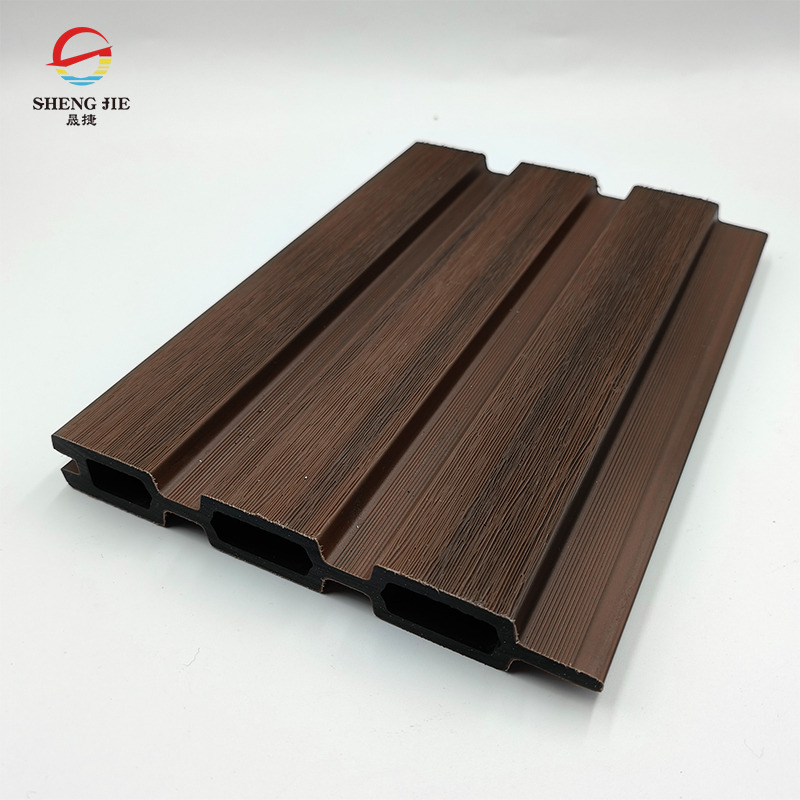
Wood Plastic Composite represents a significant leap in material engineering. Manufacturers create these panels using a specific ratio of recycled wood fibers and high-density thermoplastics. The wood fibers provide structural rigidity and a natural aesthetic. The thermoplastics encapsulate the organic material, creating an impermeable barrier against environmental threats. During the extrusion process, the raw materials are heated, mixed, and forced through specialized dies to create dense, uniform profiles.
This unique composition prevents the moisture absorption that plagues traditional lumber. It eliminates the risk of insect damage, including termites and carpenter ants. High-quality WPC Fence Panels also mitigate severe thermal expansion issues. Unlike solid plastics that warp dramatically in the summer heat, the wood fiber matrix stabilizes the panel. This ensures the fence line remains straight and structurally sound through extreme seasonal temperature shifts.
Material Property | WPC Fence Panels | Treated Commercial Wood | Standard Vinyl (PVC) |
|---|---|---|---|
Moisture Resistance | Excellent (Impermeable core) | Poor (Requires constant sealing) | Excellent |
Thermal Stability | High (Wood fibers prevent warping) | Moderate (Prone to warping/twisting) | Low (Expands/contracts heavily) |
Impact Resistance | High (Dense solid core) | Moderate (Splinters under force) | Low (Becomes brittle in cold) |
Insect Resistance | Complete immunity | Vulnerable over time | Complete immunity |
Chain link is the default for basic commercial enclosures, but it fails multiple security and aesthetic tests. Standard chain link provides zero visual privacy. It offers no noise reduction capabilities. More importantly, standard chain link is highly vulnerable to basic cutting tools. Intruders can breach a chain-link perimeter in seconds with bolt cutters, gaining immediate access to restricted areas.
Expanded metal solves the cutting vulnerability. It offers maximum anti-cut security for high-risk industrial zones. However, expanded metal still lacks visual privacy. This is a critical flaw. Opportunistic theft usually occurs because a criminal sees something worth stealing. WPC Fence Panels provide the critical visual privacy that expanded metal lacks. By blocking lines of sight, composite panels prevent targeted theft before it starts.
Commercial wood offers good initial aesthetics but fails rapidly under environmental stress. Wood cracks, splinters, and rots. Standard vinyl fencing solves the rot issue but introduces new vulnerabilities. Vinyl becomes highly brittle in freezing temperatures. A minor impact from a landscaping mower or a snowplow pushing snow against the fence line can shatter a vinyl panel in the winter.
Composite materials deliver superior tensile strength and impact resistance. The dense core withstands blunt force significantly better than hollow vinyl. Furthermore, premium composite panels excel in resisting UV degradation. They do not suffer from the severe cracking and fading that plague standard plastics in exposed commercial lots. The material retains its structural integrity and visual appeal decades after the initial installation.
Security experts emphasize the importance of visual denial. Solid composite fence panels prevent opportunistic theft by completely eliminating lines of sight. When criminals cannot see into storage yards, loading docks, or equipment areas, they are less likely to attempt a breach. The solid barrier removes the temptation entirely.
These panels are exceptional for specialized commercial enclosures. Facilities frequently use them to conceal HVAC units, commercial dumpsters, and high-voltage utility boxes. This protects vulnerable equipment from tampering while maintaining strict architectural compliance. Additionally, vertical composite configurations offer excellent anti-climb properties. The design inherently lacks the horizontal rails and footholds that make chain link and traditional wood fences easy to scale.
Commercial environments are harsh. Fences must withstand blunt force from landscaping equipment, accidental bumps from delivery vehicles, and severe weather events. The high-density core of a composite panel provides substantial impact resistance. It absorbs and distributes kinetic energy far better than rigid masonry or hollow vinyl.
However, the panels alone do not constitute a complete security system. For true commercial security, you must pair the panels with heavy-duty aluminum or galvanized steel posts. Relying solely on composite posts in high-traffic commercial zones is a structural mistake. Metal posts provide the necessary load-bearing capacity. You must anchor these metal posts firmly into concrete footings poured below the local frost line to ensure the perimeter remains immovable.
Modern commercial perimeters rely heavily on electronic access control. Composite systems seamlessly accommodate commercial gate operators, magnetic locks, and keypad entry systems. The rigid metal framing used in commercial installations provides a stable mounting surface for heavy automated cantilever or swing gates.
Furthermore, these panels facilitate internal property zoning. You can effectively separate public-facing retail or office spaces from restricted employee-only zones. The aesthetic remains consistent across the property, but the physical access is strictly controlled. Installers can easily conceal wiring for perimeter surveillance cameras, intercoms, and security lighting within the hollow cavities of the metal posts, maintaining a clean, wire-free exterior.
Visual consistency is paramount for upscale business parks and retail centers. Manufacturers offer a wide array of modern textures. You can select deep 3D wood grains that mimic natural timber or brushed matte finishes for a sleek, contemporary look. The available architectural colors easily match corporate branding and modern building facades.
The system also offers immense design flexibility. You are not restricted to continuous panel runs. Architects frequently mix WPC Fence Panels with masonry pillars or decorative metal framing. This hybrid approach creates a custom, high-end finish that elevates the entire property. It allows the perimeter to match the specific stone or brickwork used on the primary commercial structures.
Maintaining a pristine exterior appearance is vital for long-term property valuation. It also accelerates tenant acquisition. Faded, chalky fences signal property neglect. Premium composite panels utilize advanced co-extrusion technology. Manufacturers apply a durable polymer cap over the composite core during the extrusion process.
This capped layer acts like a protective shield. It provides extreme resistance to ultraviolet radiation, preventing the fading and chalking common in older composite generations. The color you install on day one remains vibrant and consistent years later. You never have to budget for commercial painting or staining crews to revive the fence's appearance.
The primary financial driver for adopting composite fencing is the drastic reduction in maintenance overhead. Facility management budgets are constantly under pressure. Eliminating routine perimeter maintenance frees up significant capital. You no longer need to schedule annual power washing to remove mildew from wood.
You completely eliminate chemical treatments, sealants, and painting from the operational budget. When comparing a 15-year lifecycle, the operational savings heavily outweigh the lower initial purchase price of wood or chain link. Wood requires constant labor and material inputs to survive. Composite materials require only occasional rinsing with a standard hose to remove surface dust. This shift from active maintenance to passive ownership transforms the financial model of perimeter management.
Elimination of annual scraping, sanding, and repainting labor.
Removal of chemical sealants and weatherproofing materials from the procurement budget.
Reduction in individual picket or panel replacement due to rot or insect damage.
Lower liability costs associated with compromised perimeters and physical breaches.
Corporate ESG goals now dictate many procurement decisions. Commercial property developers must demonstrate a commitment to sustainable building practices. Composite fencing aligns perfectly with these mandates.
The manufacturing process heavily utilizes recycled materials, including reclaimed wood fibers and recycled industrial plastics. This diverts thousands of tons of waste from landfills. Furthermore, the material requires no toxic chemical treatments. Pressure-treated lumber leaches heavy metals and chemical preservatives into the surrounding soil and groundwater. Composite panels are chemically inert, making them the superior choice for environmentally sensitive commercial zones and green building certifications.
Commercial properties in coastal zones or open industrial parks face severe wind sheer. The primary risk with solid panel fencing is blowout. Because solid panels block the wind entirely, they act like a sail. If the structural framing is weak, high winds will snap the posts or blow the panels out of their tracks.
Mitigation requires strict adherence to local wind load engineering codes. You must specify the requirement for internal aluminum reinforcements within the panel rails. Ensure the system utilizes heavy-gauge steel or thick-walled aluminum posts anchored deeply into concrete. Never rely on standard residential-grade composite posts for a commercial installation in a high-wind zone.
Commercial lots are rarely perfectly flat. Installation challenges multiply when dealing with sloped terrain, retaining walls, and underground utility lines. Rigid panel systems can be difficult to adapt to severe grade changes. You must choose between stepping the panels or racking them to follow the slope.
Mitigation involves proper planning and specialized hardware. Use adjustable bracket systems that accommodate terrain variations. More importantly, hire commercial contractors experienced specifically in composite installations. They understand how to manage thermal expansion gaps and navigate complex topographies without compromising the structural integrity of the fence line.
The composite market is flooded with varying quality levels. The biggest risk is purchasing low-density, uncapped products imported without commercial-grade certifications. These inferior products will warp, fade, and fail under commercial stress.
You must rigorously vet manufacturers. Demand to see commercial wind-load certifications and material density reports. Define exactly what the commercial warranty covers. A robust warranty should explicitly cover structural failure, severe fading, and permanent staining. Read the fine print to understand maintenance clauses. Using improper cleaning chemicals or failing to leave adequate thermal expansion gaps during installation will instantly void most manufacturer warranties.
Take the following actionable steps to advance your perimeter project:
Conduct a comprehensive site perimeter audit to identify specific security vulnerabilities, wind load requirements, and topographical challenges.
Request physical material samples from certified commercial manufacturers to evaluate texture, density, and color alignment with your existing property facades.
Consult with a commercial fencing engineer to draft precise project specifications, focusing strictly on metal post integration and concrete footing depths.
Review your current annual perimeter maintenance expenditures to build a clear financial justification for upgrading to low-maintenance composite materials.
A: Yes, provided you engineer the system correctly. You must pair the panels with heavy-duty steel or aluminum posts. The composite material serves primarily as a visual barrier and anti-climb deterrent. For critical infrastructure, integrate the panels with internal anti-ram barriers. This stops vehicular breaches while maintaining the external aesthetic. Never rely on composite posts alone for load-bearing security applications.
A: Commercial-grade composite fences have an expected functional lifespan of 20 to 30 years. Commercial wood fences typically last 10 to 15 years and require constant upkeep. The longevity of composite materials stems from their complete resistance to rot, moisture absorption, and wood-destroying insects. You eliminate the decay cycle entirely.
A: Absolutely. Manufacturers offer a wide variety of factory-finished colors and architectural textures. Advanced co-extrusion technology ensures these colors remain consistent and vibrant for decades. You never need to paint, stain, or touch up the surface to maintain brand standards. The protective polymer cap resists severe UV degradation.
A: Yes. While the basic process resembles traditional fencing, composite materials require specific expertise. Contractors must precisely manage thermal expansion gaps to prevent warping during seasonal temperature shifts. Properly anchoring the structural metal posts and utilizing commercial-grade bracket systems also require specialized training. This ensures long-term stability across uneven commercial topography.
A: Composite panels require a larger initial material investment than chain link. However, the long-term financial model heavily favors composites. You eliminate ongoing maintenance labor and gain critical visual privacy. Use composite panels for client-facing perimeters and equipment enclosures. Reserve chain link for remote, low-visibility storage yards where aesthetics do not matter.


